
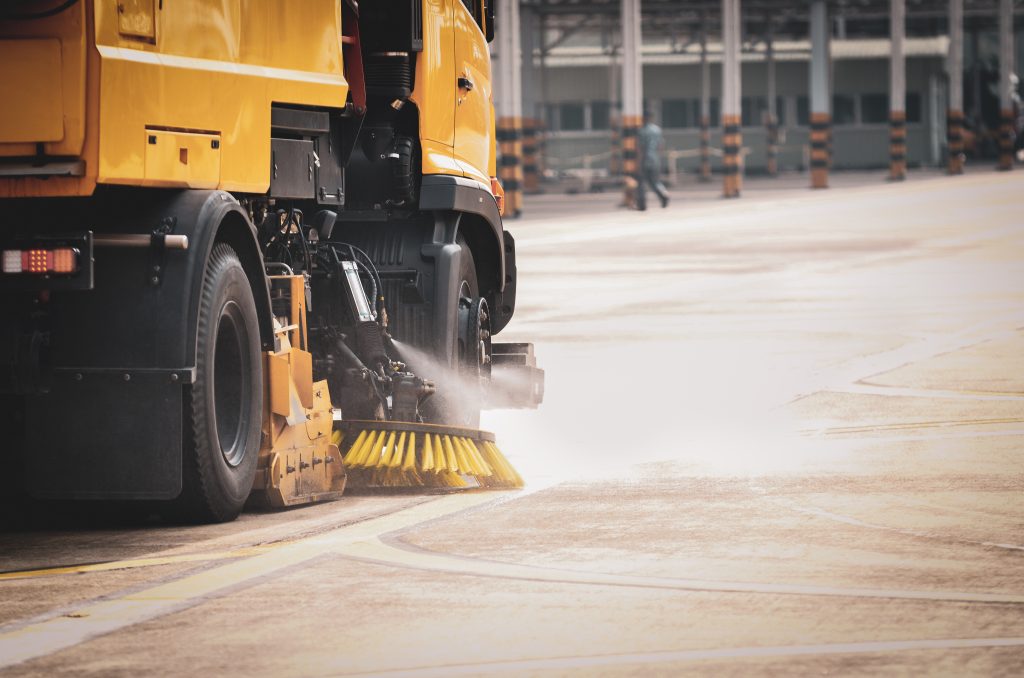
Post Construction Cleanup is one of the most critical final stages of any building or renovation project. Without a proper cleanup process, even the most well-designed structure can remain unsafe, dusty, and incomplete. Whether it’s a residential remodel or a large commercial build, Post Construction Cleanup ensures the space is safe, functional, and ready for occupancy. In this guide, we break down how professional cleanup works, why it matters, and how businesses like Junk Rescue AZ help property owners restore order after construction is complete.
Why Post Construction Cleanup Matters
Post-construction cleanup goes far beyond sweeping dust and removing visible debris. Construction projects leave behind fine particles, leftover materials, nails, adhesives, and sometimes hazardous waste. These remnants can affect indoor air quality, safety, and the overall usability of the space.
A proper cleanup ensures:
- Safe walking surfaces free from sharp debris
- Improved indoor air quality by removing dust and silica particles
- Compliance with local safety and building standards
- A polished, ready-to-use final presentation
- Prevention of long-term damage caused by leftover construction residue
For contractors and property owners, skipping or rushing Post Construction Cleanup can lead to failed inspections, safety hazards, and costly rework.
Key Steps in Post Construction Cleanup
A structured Post Construction Cleanup process follows a step-by-step approach designed to systematically transform a messy job site into a clean, usable space.
1. Initial Debris Removal
Large debris such as wood scraps, drywall pieces, packaging materials, and leftover fixtures are removed first. This step clears the workspace for deeper cleaning.
2. Dust and Fine Particle Cleaning
Construction dust is one of the most persistent challenges. Specialized vacuums with HEPA filters are often used to remove fine particles from floors, walls, vents, and surfaces.
3. Surface Cleaning and Wiping
All surfaces including countertops, windowsills, baseboards, and fixtures are wiped down to remove adhesive residue, paint splatter, and dust layers.
4. Flooring Treatment
Depending on the surface type (tile, hardwood, concrete, or carpet), different cleaning methods are used such as scrubbing, polishing, or steam cleaning.
5. Final Detailing and Inspection
The final stage includes a detailed walkthrough, ensuring the space meets safety standards and is ready for occupancy or handover.
Common Challenges in Post Construction Cleanup
Even with careful planning, Post Construction Cleanup comes with several challenges that can complicate the process.
Heavy Dust Accumulation
Fine dust from drywall, cement, and wood cutting can settle into HVAC systems, requiring deep cleaning beyond surface-level work.
Hazardous Materials
Sometimes construction sites contain leftover chemicals, insulation fibers, or treated wood that require careful handling and disposal.
Time Constraints
Cleanup is often scheduled close to project deadlines, which can put pressure on crews to work quickly without sacrificing quality.
Hidden Debris
Nails, screws, and sharp fragments can remain hidden in carpets, corners, or outdoor areas, posing safety risks if not properly removed.
Understanding these challenges helps property owners plan more effectively and avoid delays in project completion.
Professional vs DIY Post Construction Cleanup
While some property owners consider handling cleanup themselves, Post Construction Cleanup is significantly more complex than standard cleaning tasks.
DIY Cleanup Limitations
DIY cleanup may work for very small projects, but it often lacks:
- Industrial-grade equipment for dust removal
- Proper safety gear for hazardous materials
- Experience identifying hidden construction hazards
- Efficient waste disposal methods
Advantages of Professional Cleanup
Hiring professionals ensures:
- Faster and more thorough cleanup
- Proper handling of construction debris removal
- Compliance with safety and environmental regulations
- Reduced risk of injury or property damage
- High-quality finishing standards for inspections or occupancy
Professional teams bring both expertise and efficiency, making them the preferred choice for most contractors and property developers.
Safety and Compliance in Post Construction Cleanup
Safety is a core priority in any Post Construction Cleanup process. Construction sites often contain sharp objects, unstable materials, and airborne particles that can pose health risks.
Key safety considerations include:
- Wearing protective equipment such as gloves, masks, and goggles
- Following OSHA safety guidelines for construction site cleanup
- Properly labeling and disposing of hazardous waste
- Ensuring ventilation during dust-heavy cleaning processes
- Preventing slip-and-fall hazards during wet cleaning procedures
Compliance with safety standards is not optional it is essential for protecting workers and future occupants.
Environmental Responsibility in Cleanup
Modern Post Construction Cleanup practices also focus heavily on environmental responsibility. Construction waste contributes significantly to landfill volume if not managed properly.
Eco-friendly cleanup practices include:
- Recycling wood, metal, and cardboard materials
- Separating hazardous waste for specialized disposal
- Reducing landfill contributions through waste sorting
- Reusing salvageable construction materials when possible
- Using environmentally safe cleaning products
These practices not only benefit the environment but also improve a company’s reputation and compliance with green building standards.
How Junk Rescue AZ Supports Post Construction Cleanup
For property owners and contractors seeking reliable cleanup solutions, Junk Rescue AZ provides professional support tailored to construction and renovation projects.
Through their services, they help ensure that job sites are cleared efficiently and safely, preparing spaces for final inspection or immediate use.
Their approach focuses on:
- Fast removal of construction debris
- Detailed cleanup for residential and commercial projects
- Safe handling of heavy and bulky materials
- Efficient site clearing for project turnover
- Reliable scheduling aligned with contractor timelines
By handling the most time-consuming aspects of cleanup, they allow builders and property owners to focus on project completion rather than post-build mess management.
Tips for Choosing a Post Construction Cleanup Service
Selecting the right cleanup provider can significantly affect project outcomes. Here are key factors to consider:
1. Experience in Construction Cleanup
Choose a team familiar with construction environments, not just general cleaning services.
2. Equipment and Resources
Ensure they use industrial-grade tools for dust extraction, debris removal, and surface cleaning.
3. Safety Standards
Verify that the company follows OSHA guidelines and trains workers properly.
4. Transparent Pricing
Look for clear estimates that outline labor, disposal fees, and additional services.
5. Reputation and Reviews
Client feedback provides insight into reliability, professionalism, and quality of work.
Making the right choice ensures a smoother transition from construction site to usable space.
Final Thoughts
Post Construction Cleanup is an essential final step that determines how safe, clean, and functional a newly built or renovated space will be. It involves far more than simple tidying it requires technical knowledge, proper equipment, and a structured approach to debris removal, dust control, and safety compliance.
Whether managing a small remodel or a large commercial project, investing in professional cleanup services can save time, reduce risks, and ensure a polished final result. Companies like Junk Rescue AZ play a vital role in supporting contractors and property owners with dependable, efficient cleanup solutions that prepare spaces for immediate use.