
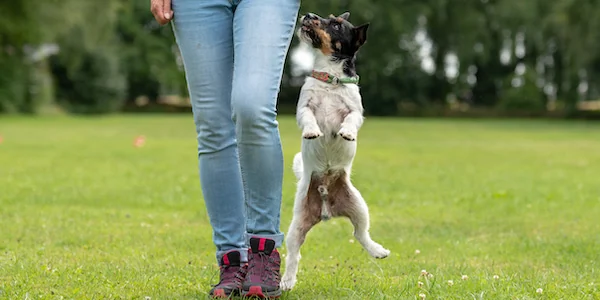
Jumping on people is one of the most common behavior problems dog owners encounter. Although it often comes from excitement, friendliness, or a desire for attention, the behavior can become uncomfortable or even dangerous, particularly when dogs greet children, older adults, or visitors. Effective dog training for jumping on people focuses on teaching dogs appropriate greeting behaviors rather than simply correcting unwanted actions.
With guidance from experienced trainers, including Rob’s Dog Training, dog owners can learn how to manage jumping, reinforce calm behavior, and establish consistent expectations. Understanding why dogs jump is the first step toward developing a training approach that works in everyday situations.
Why Do Dogs Jump on People?
Dogs often jump because they become excited when greeting people or discover that the behavior gets attention. Although jumping may seem harmless when dogs are young, it can become a difficult habit to manage as they grow.
Several factors contribute to this behavior:
- Excitement: Dogs may jump when greeting family members, visitors, or familiar people because they become overly stimulated.
- Attention-seeking: Petting, talking, laughing, or pushing a dog away can unintentionally reward jumping.
- Learned behavior: Puppies often receive positive reactions when they jump. Without consistent boundaries, they may continue the behavior into adulthood.
- Lack of impulse control: Some dogs struggle to manage their excitement and respond appropriately when people approach.
Recognizing why a dog jumps helps owners choose suitable training techniques. A dog that jumps for attention may need to learn that calm greetings receive more interaction, while an overly excited dog may benefit from exercises that encourage patience and self-control.
Dog Training for Jumping on People Starts With Consistency
Consistency is essential when changing unwanted behavior. Dogs learn through repeated experiences, so everyone in the household should follow the same expectations during greetings.
If one family member allows jumping while another discourages it, the dog may struggle to understand which behavior is acceptable.
Start with these guidelines:
- Avoid giving attention when the dog jumps.
- Reward the dog when all four paws remain on the floor.
- Use consistent verbal cues during greetings.
- Practice with different family members and visitors.
- Reward appropriate behavior immediately.
Avoid shouting or repeatedly correcting the dog. Instead, create predictable situations where calm behavior consistently leads to positive attention.
Teach an Alternative Greeting Behavior
Simply telling a dog not to jump does not explain what it should do instead. Teaching an alternative behavior gives the dog a clear way to interact with people.
A calm sit is a useful greeting behavior, although some dogs may initially need to learn to keep all four paws on the floor before introducing this cue.
Reward Four Paws on the Floor
Begin practicing in a familiar environment with minimal distractions.
When the dog approaches without jumping, immediately offer praise or a small treat. If it jumps, briefly remove your attention by turning away or stepping out of reach.
Once the dog settles and places all four paws on the floor, reward that behavior.
Repeat the exercise until the dog begins offering calm greetings more consistently. Avoid pushing the dog away, as physical contact may be interpreted as attention or an invitation to play.
Introduce a Sit Cue
Once the dog starts remaining on the floor, introduce a verbal cue such as “sit.”
Ask the dog to sit before giving attention, petting, or allowing someone to greet it. Reward successful responses promptly so the dog begins associating sitting with positive interaction.
Practice with different people to help the dog understand that the same greeting expectations apply to everyone.
Manage Excitement When Guests Arrive
Visitors can make jumping particularly difficult to manage. Doorbells, unfamiliar people, and increased activity may cause dogs to become overly excited before training even begins.
Prepare the dog before guests enter by using these strategies:
- Use a leash: Keep the dog at a manageable distance so you can prevent uncontrolled approaches.
- Practice waiting: Teach the dog to remain calm before approaching visitors.
- Use a designated resting area: A comfortable bed or mat can provide a place for the dog to settle.
- Reward calm behavior: Offer praise or treats when the dog remains relaxed during arrivals.
- Give visitors clear instructions: Ask guests to avoid petting or engaging with the dog until it has settled.
For dogs that struggle with greetings, a baby gate can provide additional control while allowing them to observe visitors without immediately approaching.
The goal is to prevent repeated jumping while giving the dog opportunities to practice appropriate behavior.
Common Mistakes That Can Reinforce Jumping
Some owner reactions can unintentionally encourage the very behavior they are trying to stop.
Pushing the dog away: Physical contact may feel like attention or play, encouraging the dog to jump again.
Inconsistent responses: Allowing jumping occasionally makes it difficult for dogs to understand the rules.
Rewarding at the wrong time: Giving treats or attention while the dog is jumping can reinforce the unwanted behavior.
Expecting immediate results: Established habits take time to change, particularly when dogs have practiced them for months or years.
Ignoring excessive excitement: Some dogs become too stimulated to respond to familiar cues. Giving them more space and reducing distractions can help them settle before continuing the exercise.
Recognizing these mistakes allows owners to make training more consistent and effective.
When to Seek Professional Dog Training
Some dogs respond well to basic home exercises, while others need more structured guidance. Professional training can help owners understand why jumping continues and develop an appropriate behavior modification plan.
Consider seeking professional assistance when:
- Jumping continues despite consistent training.
- The dog is large or strong enough to knock people over.
- The dog struggles to respond to familiar commands when excited.
- Jumping occurs alongside barking, lunging, or other challenging behaviors.
- The behavior creates safety concerns around children or older adults.
A qualified trainer can assess the dog’s behavior, identify triggers, and recommend exercises suited to its temperament, learning history, and individual needs.
Build Better Greeting Habits Through Consistent Training
Teaching a dog to stop jumping on people requires patience, repetition, and clear expectations. Effective dog training for jumping on people focuses on understanding the reasons behind the behavior, rewarding appropriate greetings, and managing exciting situations. With the right approach, owners can help their dogs develop better social habits.
The goal is not to eliminate a dog’s enthusiasm for meeting people but to teach it how to express that excitement in a controlled and appropriate way. For additional guidance and professional training support, Rob’s Dog Training can help owners work toward safer, calmer, and more enjoyable everyday greetings.