
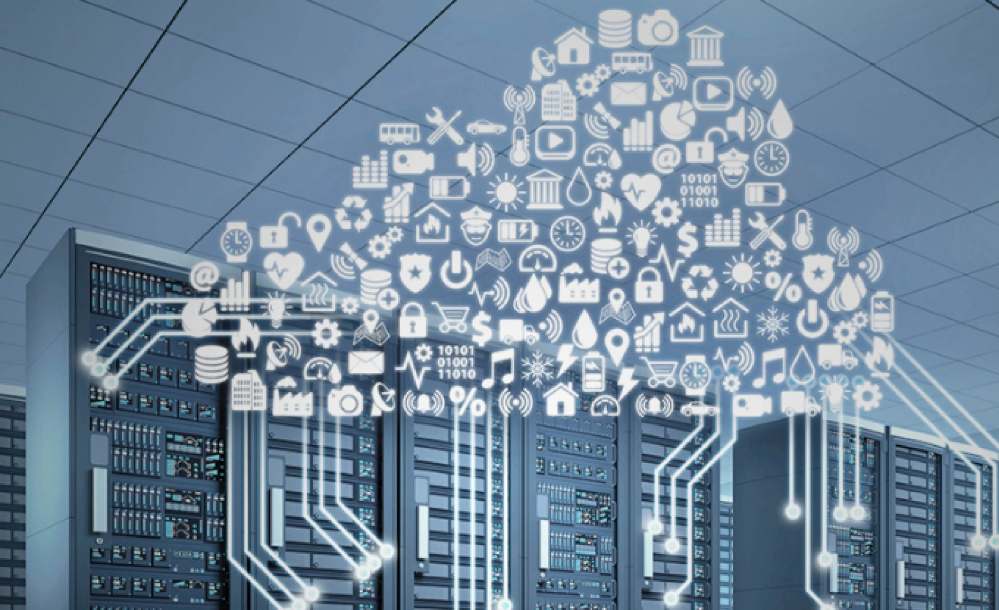
Why Next Generation Infrastructure Solutions Matter
Digital transformation is no longer an option for organizations that want to remain competitive. Businesses across every industry are facing increasing demands for faster operations, stronger cybersecurity, seamless collaboration, and scalable technology environments. As these expectations continue to evolve, next generation infrastructure solutions have become the foundation for sustainable growth, operational resilience, and long-term innovation.
Instrata helps organizations modernize IT environments by delivering innovative infrastructure strategies that support scalability, security, and long-term business performance. Traditional IT environments often struggle to keep pace with modern workloads, remote workforces, cloud applications, and growing security threats. Legacy systems can create operational bottlenecks, increase maintenance costs, and limit an organization’s ability to adapt to changing business requirements. Modern infrastructure addresses these challenges by combining cloud technologies, intelligent automation, virtualization, advanced networking, cybersecurity, and data management into an integrated strategy that supports both current and future business goals.
Organizations that invest in infrastructure modernization gain more than updated technology. They create a flexible digital ecosystem capable of supporting innovation while improving performance, reliability, and user experience.
Understanding Next Generation Infrastructure Solutions
Next generation infrastructure solutions represent a strategic approach to designing, deploying, and managing modern IT environments. Rather than relying solely on traditional on-premises hardware, organizations can integrate cloud services, hybrid environments, software-defined infrastructure, automation, and intelligent monitoring into a unified technology framework.
This modern approach helps businesses:
- Improve operational efficiency
- Increase infrastructure scalability
- Strengthen cybersecurity defenses
- Simplify IT management
- Support digital transformation initiatives
- Enhance disaster recovery capabilities
- Reduce downtime and operational risk
Instead of treating infrastructure as a collection of isolated systems, organizations benefit from a connected environment where every component works together to improve business performance.
The Growing Importance of Infrastructure Modernization
Technology continues to evolve at an unprecedented pace. Customer expectations change rapidly, cybersecurity threats become more sophisticated, and organizations generate more data than ever before. Businesses relying on outdated infrastructure often encounter performance limitations that slow productivity and increase operational costs.
Modern infrastructure provides the flexibility needed to support:
- Hybrid work environments
- Cloud-native applications
- Artificial intelligence workloads
- Big data analytics
- Internet of Things (IoT) deployments
- Business continuity planning
- Regulatory compliance requirements
Organizations that modernize their infrastructure position themselves to respond quickly to changing market conditions while reducing technology-related disruptions.
Key Components of Modern Infrastructure
A successful modernization strategy typically combines multiple technologies working together to create a resilient IT environment.
Cloud and Hybrid Infrastructure
Cloud computing provides organizations with scalable computing resources that can grow alongside business demands. Hybrid environments combine on-premises systems with public and private cloud services, allowing businesses to optimize performance while maintaining flexibility.
Intelligent Network Architecture
Modern networks prioritize speed, security, and reliability. Software-defined networking allows organizations to manage traffic efficiently while supporting remote users, distributed offices, and cloud-based applications.
Cybersecurity Integration
Security is no longer an afterthought. Today’s infrastructure integrates cybersecurity into every layer, including identity management, endpoint protection, encryption, threat detection, and continuous monitoring.
Automation and Orchestration
Automation reduces repetitive manual tasks, accelerates deployments, minimizes configuration errors, and improves overall operational efficiency. Intelligent orchestration tools help IT teams manage increasingly complex environments with greater consistency.
Data Management
Organizations depend on accurate, accessible, and secure data. Modern infrastructure improves storage, backup, disaster recovery, and data availability while supporting advanced analytics and informed decision-making.
Benefits of Implementing Next Generation Infrastructure Solutions
Organizations investing in next generation infrastructure solutions experience benefits that extend far beyond technology upgrades.
Increased Scalability
Business requirements rarely remain static. Modern infrastructure allows organizations to scale computing resources, storage capacity, and network performance without significant disruptions or expensive hardware replacements.
Enhanced Security
Cyber threats continue to evolve. Modern infrastructure incorporates layered security strategies that reduce vulnerabilities, improve visibility, and support proactive threat detection.
Better Business Continuity
Downtime can significantly impact productivity and revenue. Infrastructure modernization improves redundancy, backup strategies, disaster recovery planning, and system resilience.
Improved Operational Efficiency
Automation and centralized management reduce administrative workloads while allowing IT professionals to focus on strategic initiatives instead of repetitive maintenance tasks.
Cost Optimization
Modern infrastructure helps organizations optimize operational spending by improving resource utilization, reducing unnecessary hardware investments, and streamlining infrastructure management.
Greater Flexibility
Businesses can deploy new applications faster, support remote work more effectively, and respond quickly to changing customer expectations through flexible infrastructure environments.
Common Challenges During Infrastructure Modernization
Although modernization delivers significant benefits, organizations should carefully plan implementation to avoid unnecessary disruptions.
Common challenges include:
- Legacy system compatibility
- Data migration complexity
- Cybersecurity risks during transition
- Budget management
- Skills gaps within IT teams
- Maintaining business continuity throughout deployment
Addressing these challenges requires strategic planning, experienced guidance, and a phased implementation approach that minimizes operational risks.
Best Practices for Successful Infrastructure Transformation
Organizations can maximize modernization success by following proven strategies.
Perform a Comprehensive Assessment
Evaluate existing infrastructure, identify performance bottlenecks, and determine future business requirements before selecting technology solutions.
Define Clear Objectives
Successful modernization projects begin with measurable goals, including improved performance, stronger security, cost optimization, scalability, or enhanced customer experience.
Prioritize Security
Cybersecurity should remain integrated throughout planning, deployment, and ongoing management rather than being added after implementation.
Adopt Scalable Technologies
Selecting flexible platforms allows organizations to accommodate future growth without requiring frequent infrastructure redesigns.
Monitor Performance Continuously
Infrastructure monitoring helps identify performance issues, optimize resource utilization, and proactively resolve potential problems before they impact operations.
Preparing for Emerging Technologies
Future business success depends on infrastructure capable of supporting continuous innovation.
Emerging technologies driving infrastructure requirements include:
- Artificial Intelligence (AI)
- Machine Learning
- Edge Computing
- Internet of Things (IoT)
- Advanced Analytics
- Automation Platforms
- Zero Trust Security
- Intelligent Data Management
Organizations that build flexible infrastructure today will be better prepared to integrate these technologies as business requirements evolve.
Why Strategic Infrastructure Matters
Technology investments should always support broader business objectives. Modern infrastructure enables organizations to improve customer experiences, increase productivity, accelerate innovation, and strengthen operational resilience.
Rather than simply replacing outdated hardware, infrastructure modernization creates a technology foundation that supports future growth while reducing long-term operational complexity.
Businesses that approach infrastructure strategically gain greater agility, improved decision-making capabilities, stronger security, and increased confidence when adapting to changing market conditions.
Conclusion
As organizations continue navigating digital transformation, next generation infrastructure solutions provide the flexibility, scalability, and resilience needed for long-term success. Modern infrastructure strengthens security, improves operational efficiency, supports innovation, and prepares businesses for future technological advancements.
With extensive experience delivering enterprise technology services, Instrata helps organizations modernize critical infrastructure through strategic planning, intelligent solutions, and proven implementation methodologies. Investing in future-ready infrastructure today creates a stronger digital foundation capable of supporting business growth, improving operational performance, and enabling continuous innovation in an increasingly connected world.
